Is a 70 Series Easy to Service Without a Laptop?
When you’re venturing deep into remote Australia, reliability isn’t just a preference — it’s an absolute necessity. For over four decades, the Toyota 70 Series has been a trusted companion for those tackling the toughest terrains, from dusty cattle stations and rugged mine sites to the endless outback highways. But in this digital age, when even basic fault-finding often requires a laptop plugged into the vehicle’s diagnostic port, owners and operators often ask: Is the 70 Series easy to service without a laptop?
In this comprehensive post, I’ll break down what makes the 70 Series such a bulletproof workhorse, its mechanical simplicity, remote servicing prospects, and the reality of DIY hand tools repairs. I’ve clocked over 14 years driving and maintaining 70 Series rigs across Western Australia and the Northern Territory, so I’ll walk you through the grit and grease behind the reputation.
The Legacy of the 70 Series: Longevity Since 1984
The Toyota 70 Series was first introduced in 1984 and remains in production today, a testament to its timeless design and reliability. Built on a robust ladder-frame chassis and equipped with strong live axles, the 70 Series was designed to meet the stringent needs of Australian outback users where days between towns can mean the difference between a smooth trip and an expensive recovery.
Whether it’s hauling livestock, towing heavy trailers, or ferrying crews across unsealed tracks, the 70 Series combines essential mechanical simplicity with high durability — characteristics that have earned it iconic status in remote regions.
Ladder-Frame and Live Axle Durability
Unlike many modern 4WDs built on unibody or monocoque platforms, the 70 Series features a solid ladder-frame chassis. This construction style is inherently stronger for heavy loads, offroad punishment, and structural repairs. Running live axles front and rear adds to wheel articulation and ruggedness; these components are easier to repair or replace in the field compared to complex independent suspensions.
Mechanical Simplicity of the 70 Series 4WD
When I mention “mechanical simplicity 4WD,” the 70 Series is the flag-bearer. The engine bay and driveline are straightforward, with few electronic gadgets to confuse or fail in harsh environments. Older diesel and petrol engines in these rigs favor mechanical injection pumps and simple turbo setups, rather than modern electronic diesel control (EDC) systems.
This simplicity translates to less dependency on diagnostic electronics and more reliance on fundamental mechanical skills. For the field tech or station-hand, it means many issues can be diagnosed by ear, feel, and sight without a laptop.
Common Repairs You Can Do Without a Laptop
- Timing and valve adjustments: Access the mechanical pump and camshaft with basic hand tools.
- Fuel filter and air intake replacement: Simple clamps, wrenches, and spare parts keep things running clean.
- Replacing drive belts and hoses: Basic but essential maintenance easily handled roadside.
- Suspension and brake repairs: Leaf spring re-tensioning, brake lining replacement, and grease fittings routine servicing.
Though a diagnostic laptop can certainly speed up fixing some modern alarms or fault codes, your standard tools and know-how cover the lion’s share of common repairs out bush.

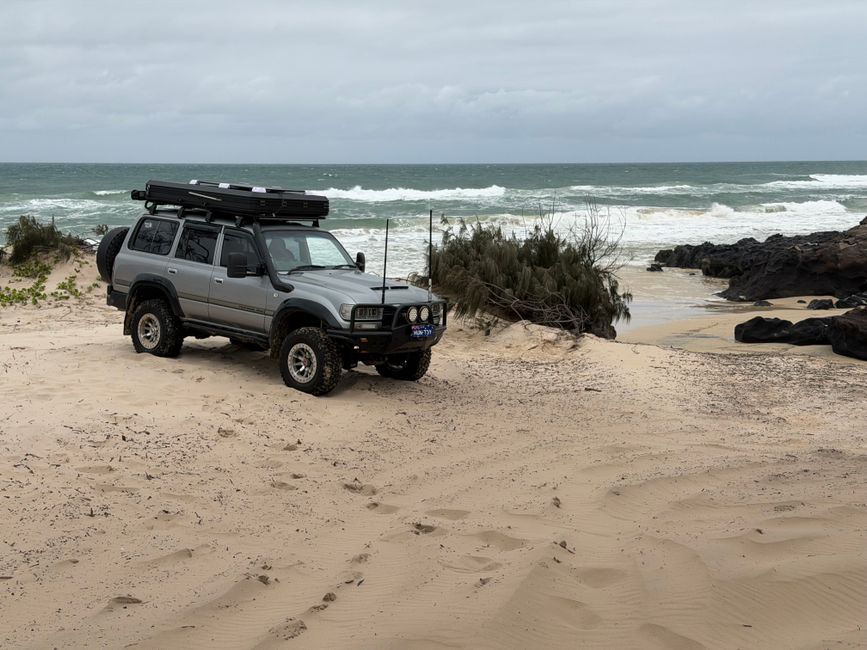
Remote Servicing in Australia's Outback: Realities and Solutions
Servicing a 70 Series in remote locations is a challenge that Toyota and the aftermarket ecosystem have addressed over the years. The 70 Series Store plays a pivotal role in providing genuine Toyota parts and specialist upgrades designed for remote area durability, giving owners access to replacement components long before the next fuel stop.
Typically, when buying a new or used 70 Series from a Toyota dealership, you have inbuilt support and access to genuine service tools. But outside metropolitan hubs and away from authorised service centres, it’s the combination of mechanical simplicity, well-stocked parts suppliers like 70 Series Store, and hands-on maintenance skills that keep these vehicles rolling 70 series power mode for hundreds of thousands of kilometres.
Essential Outback Tools for Laptop-Free Repairs
Here are my field-tested essentials for keeping 70 Series rigs healthy without needing a laptop:
- Handheld vacuum and compression gauges for engine diagnostics.
- Basic mechanical timing tools for fuel pump and ignition adjustment.
- Grease gun with appropriate fittings for suspension and driveline maintenance.
- Quality spanners, sockets, and screwdrivers — focus on metric sizes used by Toyota.
- Multimeter for electrical troubleshooting, especially batteries and alternators.
- Starter relay testers and old-school fuse testers to isolate electrical faults.
When Will You Need That Toyota Dealership Laptop?
No vehicle is 100% immune to faults, and even a rugged 70 Series has increasingly complex electronics on newer models. If you encounter:
- Electronic fuel injection malfunctions with ECU codes
- ABS or airbag system fault lights
- Transmission control unit errors
...a trip to a Toyota dealership or authorised service centre with the right diagnostic laptop and TIS (Toyota’s Information System) will be necessary. This is especially true for models built in the last decade.
That said, knowing your rig’s mechanical layout and how to handle hand tools repairs means you can usually 70 series towing review get back on the track safely without waiting for remote diagnostic services.
Summary Table: 70 Series Servicing Overview
Aspect Details Laptop Needed? Engine Mechanical Adjustments Timing, valve clearance, fuel pump tuning with hand tools No Routine Maintenance Oil changes, filters, belts, lubrication No Chassis & Suspension Repair Leaf springs, shocks, bushings, brakes No Diagnostics for ECU & Electronics Fault codes, sensors, ABS, airbags, transmission Yes Parts & Upgrades Available via Toyota & aftermarket specialists like 70 Series Store No (for physical parts)Final Thoughts: The 70 Series and Remote Australian Reliability
The Toyota 70 Series is arguably one of the most mechanical simplicity 4WD vehicles around, built to be understood and repaired with hand tools long after you leave the last fuel stop. Its design reflects the real needs of remote Australia, balancing modern comforts with practical durability.
While newer models with more electronics do trend toward requiring laptop diagnostics for some repairs, the heart of the 70 Series remains wonderfully approachable to those with mechanical skills and the right toolbox. Investing in trusted parts suppliers like the 70 Series Store ensures you can source components tailored for outback conditions.
For readers planning serious touring or work in Australia’s backcountry, a 70 Series offers a genuine combination of longevity, rock-solid ladder-frame toughness, and remote servicing practicality — just like the legends from Toyota and supported by networks such as the Australian Travel & Tourism Network Pty Limited. In this vehicle, mechanical know-how still beats software bugs, and good old-fashioned grease is the best medicine.